I'll tell you something that took me years of grease and frustration to fully understand: when a truck goes down, it's never just a broken truck.
Most people in this industry will nod at that and move on. But I mean it literally, and the distinction matters.
I managed 90-plus vehicles across remote sites. Concrete trucks, semi-trailers, dump trucks, boom pumps, fixed concrete pumps, site dumpers, excavators, wheel loaders across some genuinely unforgiving terrain. FUSO, SANY, and SINOTRAK mixers hauling ready-mix concrete to sites where the nearest town was an hour away. MERCEDES AROCS and IVECO ASTRA chassis carrying boom pumps that cost more than most people's houses. CAT and SANY excavators that entire project timelines were built around. When one of those machines stopped moving, the question was never just "what broke?" It was immediately: who's waiting on this delivery? What just stalled at the site? Who do I call first: the mechanic or the client? What’s the projected downtime?
That's the thing about remote operations. There's no backup around the corner. No quick swap, no spare driver running a spare truck. The margin for error is thin, and a breakdown doesn't politely wait while you sort out a solution. It cascades. Fast.
And somewhere in the middle of chasing down obscure parts and fielding calls from dispatch at six in the morning, I stopped seeing breakdowns as mechanical problems. They're supply chain problems. They just show up wearing a hard hat.
What Does Unplanned Fleet Downtime Actually Cost?
Most fleet managers calculate downtime by looking at the repair invoice. That's the wrong number to watch.
Industry data from 2025 puts the cost of a vehicle sitting idle anywhere between $448 and $760 per day. Some cases push past $1,000. And that's before you count the driver you're still paying, the delivery window you just missed, and the customer who's quietly started calling your competitor.
Here's a number that puts it in perspective: a one percent drop in fleet utilization rate equals roughly 3.5 lost working days per vehicle per year. Run a hundred trucks, and that's 350 dead days annually. At $700 a day on average, you've lost $245,000 without a single dramatic incident. Just a slow, invisible bleed.
I watched this happen with a TATA 2518 tipper that broke down in Athi River during peak season. One truck. But that one truck delayed three deliveries, stalled quarry operations, and had dispatchers on phones for hours doing damage control. The repair itself wasn't the expensive part. The ripple was.
Fleets now average 8.7 days of unplanned downtime per vehicle every year. More than a full working week, per truck, gone. The usual suspects: parts delays, not enough qualified technicians, and preventive maintenance schedules that keep getting bumped because there's always something more urgent, accidents, and other workflow disruptions that tend to come in all shapes and forms.
Parts Availability Is Now a Fleet Management Risk
Supply chain thinking used to be someone else's department. Not anymore.
I've tracked down Fuso FO prop shafts and specialized components for 49-meter SANY booms. When a critical part carries a sixteen-week lead time, your vehicle isn't in for repairs but out for a season. That changes how you think about parts inventory management entirely.
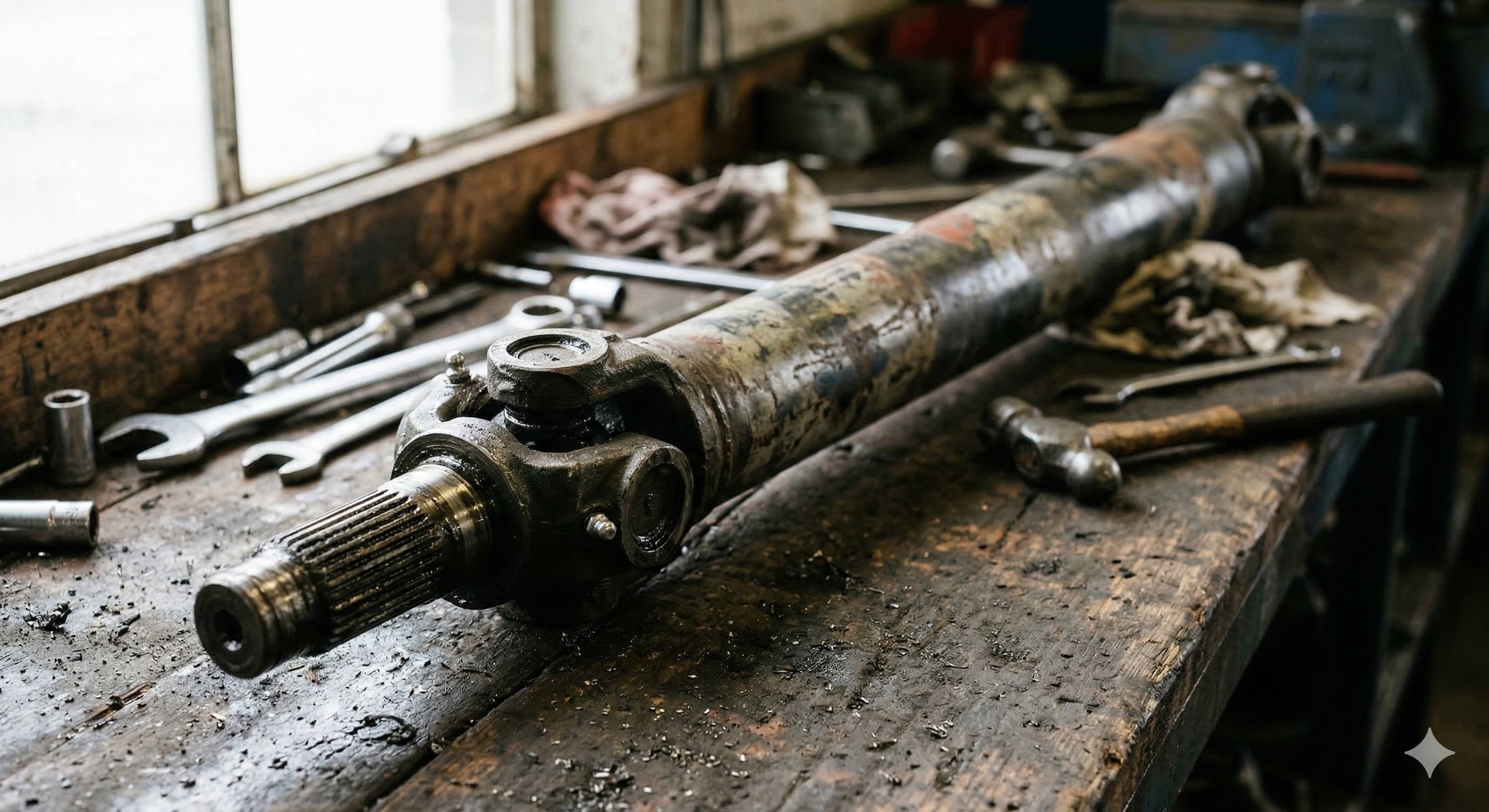
The old logic was: Keep stock lean, reduce tied-up capital. That logic fell apart when global supply chains seized up. Smart operators have shifted to harder questions: How much buffer stock do we actually need? What happens if tariffs or a shipping disruption cuts off our usual supplier? Are the parts we're holding today even going to be relevant in three years as vehicle technology shifts?
There's no perfect answer. But the fleets that weather disruptions best have diversified their supplier networks and started using data to forecast parts demand, rather than just reacting to what's already broken.
Predictive Maintenance Works (If You Build the Process Around It)
AI-driven predictive maintenance can cut unplanned downtime by up to 40 percent. Aviation fleets using similar technology have halved downtime and lifted fleet availability by 35 percent. Those numbers are real and worth paying attention to.
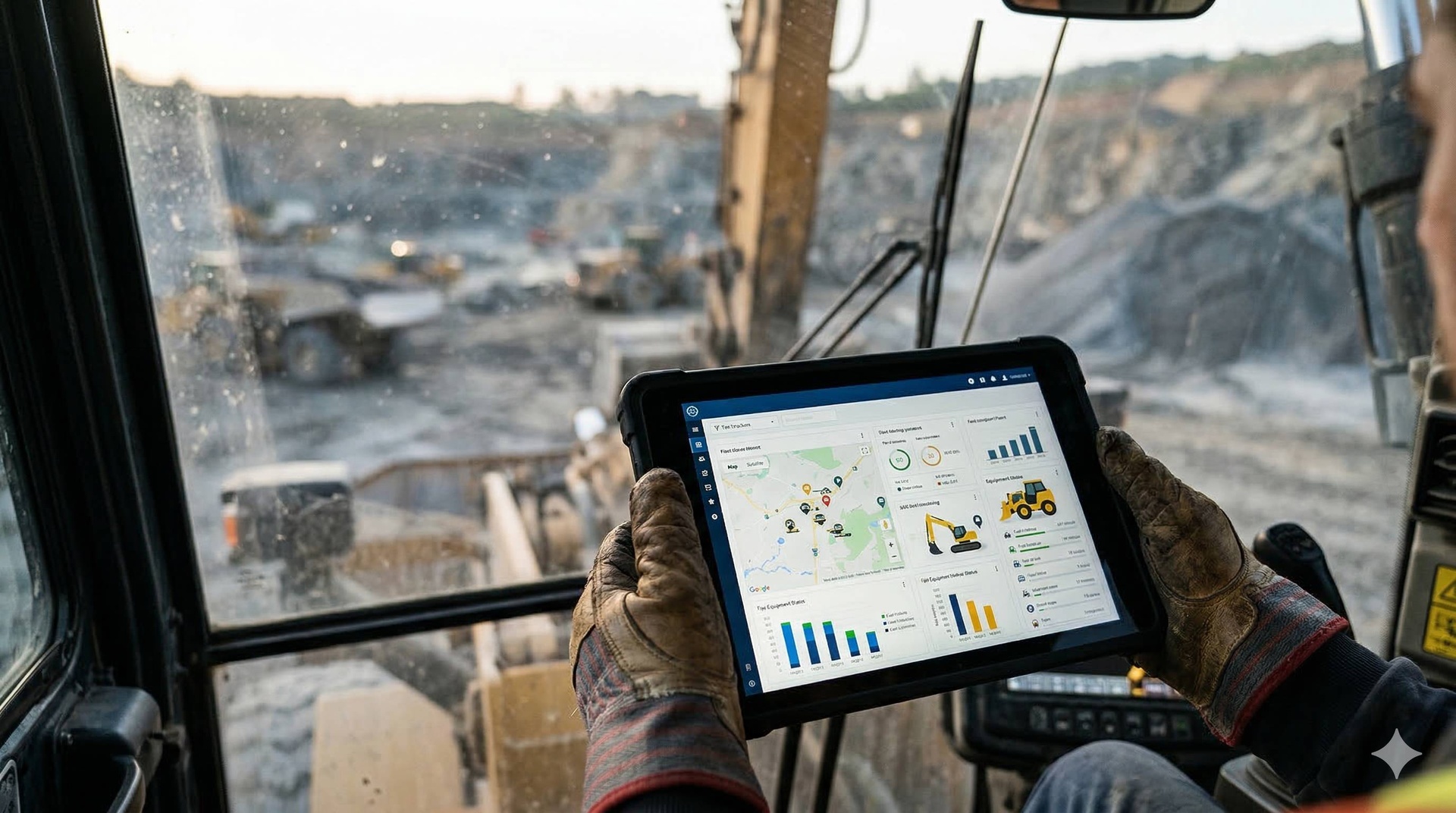
But here's what the brochures leave out: fleet maintenance software only delivers results when your team actually responds to what it's telling them.
I've seen operations with perfectly good telematics dashboards collecting data nobody reads. Alerts fire, nothing happens, and the truck breaks down anyway. That's not a technology failure. That's a process failure wearing new hardware.
The operators doing this well share one habit: They've pulled everything into a single fleet management system. No jumping between platforms for different vehicle brands. No piecing together half the picture from three separate screens. One dashboard, full visibility across the fleet. That's when you stop firefighting and start managing proactively. The best-performing fleets in 2026 are integrating telematics data with their maintenance systems to turn fragmented data into operational clarity, and it shows in their downtime numbers.
The Fleet Technician Shortage Nobody Has Solved
You can have the best vehicle diagnostics software in the world. Eventually, someone still needs to turn a wrench. And right now, finding that person is one of the harder parts of running a fleet.
I've seen trucks sit idle not because parts were unavailable, but because nobody qualified was around to fit them.
A fleet manager on Fleet News recently shared an experience that shows how absurd the situation really is. They had to move fifteen electric vans from Scotland to Telford just to find technicians who could work on them. That's not a maintenance story, but one about how serious the skills gap has become.
Modern trucks are genuinely more complex than they were five years ago. More sophisticated emissions systems, more onboard diagnostics, more things that can go wrong in ways a general mechanic isn't trained to diagnose. Larger fleets can invest in in-house training programs and use their buying power to push back on suppliers. Smaller operations don't have that leverage. They're often left taking whoever says yes, even when that yes is optimistic.
Moving From Reactive Repairs to Proactive Fleet Maintenance
The fleets handling this well aren't necessarily the best-funded or the newest-equipped. They've stopped treating vehicle maintenance management as something that happens to them.
Industry surveys from Australia and New Zealand found three things separating high-performing fleets from the rest: keeping fleet policies current rather than running on outdated assumptions; using telematics for safety and emissions, not just location tracking; and understanding total cost of ownership rather than just the purchase price.
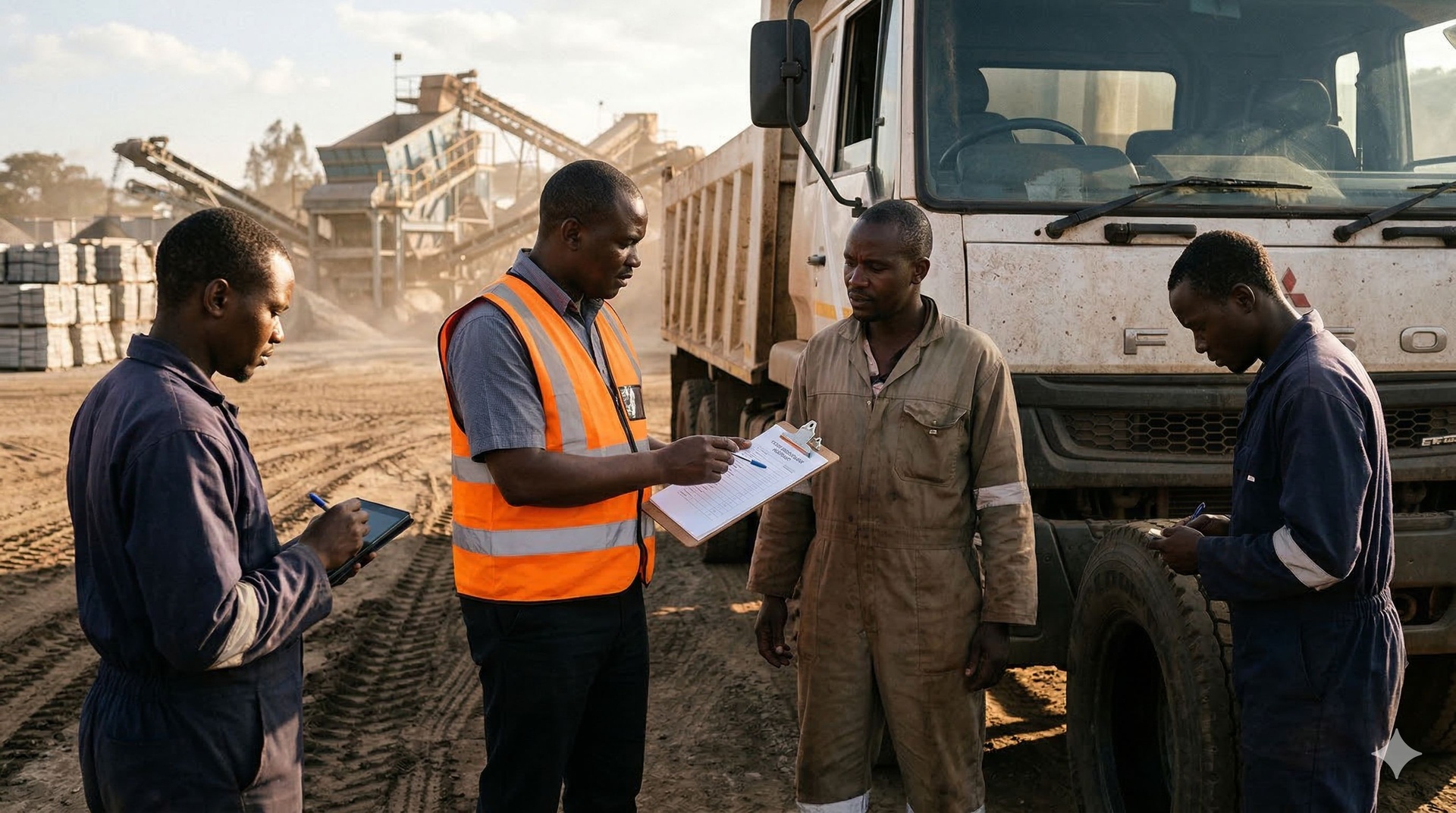
One practitioner summed it up well: a Fleet Improvement Plan doesn't have to be complicated. It just has to be intentional.
That intentionality shows up in unglamorous ways. Following inspection schedules even when it's inconvenient. Monitoring fleet utilization data rather than waiting for a warning light. Building relationships with rental providers before you need them, not mid-crisis. Fleets with strong preventive maintenance compliance see 20 percent fewer downtime days. That's not a coincidence, but what consistency looks like at scale.
Fleet Uptime Is a Business Metric, Not Just a Maintenance One
Vehicle uptime isn't a workshop concern. It belongs in the same conversation as revenue, customer retention, and operational risk.
The fleet managers getting this right audit their assets honestly, integrate systems that give them real visibility, and plan for the failures they know are coming, because they always come. Some are already using fleet analytics to optimize routes based on live vehicle health data, catching problems before a breakdown forces the decision.
Downtime is never just downtime. It's a supply chain problem in work boots. And like any supply chain problem, it's a lot cheaper to solve before it blows up than after.