Oil changes are vital to your vehicle's smooth running, no doubt. But tucked inside that routine (ideally in intervals defined by your manufacturer) is a rubber ring, which while tiny, can quietly wreck a good engine if mishandled.
We’re talking about the oil filter O-ring that seals the filter to the engine housing, keeping oil pressure where it belongs. If something happens to it, maybe it gets pinched during installation, installed over the old ring stuck to the block, or left out altogether, the seal fails and causes low oil pressure. As soon as the oil pressure drops, bearing surfaces begin to score within a few minutes if not seconds, and shortly after a few more, bearing materials also start giving out.
The worst part about all of this is the fact that most drivers are unaware of what’s happening, and that’s why this mistake almost always ends up being so costly. According to ECOGARD’s oil filter installation guide, a compromised O-ring can redirect oil back to the sump rather than through the engine. And as that happens, your car may still run fine, until it doesn’t, which is often after the damage is done. All with zero warning. Just recently, a two-year-old Honda Accord suffered this fate after a quick lube visit. The teardown showed scorched rod bearings, bearing debris through the oil pan, damaged pistons, and well, an engine put out of commission.
How the O-ring gets compromised
More often than not, O-ring failure traces back to one of four things, all of which only happen during installation. Pinching is one, and arguably the most common. This happens when a technician tightens the filter and the O-ring catches between the housing and mounting surface, in the process cutting or deforming the seal usually with no visible sign anything went wrong. The second is the double-gasket problem. When replacing the filter, the old O-ring can sometimes stick to the engine block and not come off with the filter. If a new filter is threaded on top, you now have two rings where there’s only supposed to be one. That means neither seals correctly once the pressure builds and that’s trouble.
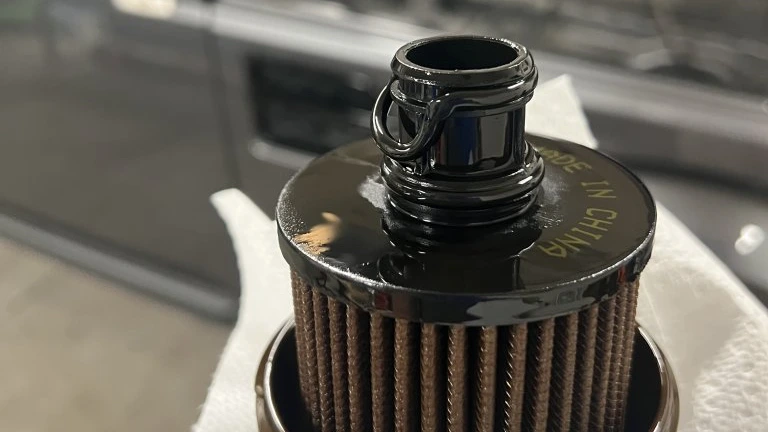
Third, reusing the old ring. Nitrile O-rings last one interval, something ECOGARD clearly notes. The thing is, heat hardens rubber, and an old ring may already be too brittle for sealing under pressure, even if it looks fine. The safe best is to always use the fresh one that comes with the new filter and coat it lightly with clean oil before installation. Why? Slashgear’s breakdown of common oil change mistakes explains that: The coat helps the ring seat evenly and reduces stress when tightening.
Lastly, don’t overtighten. If you crank the filter too hard, you may crush the ring past its limits. But you also don’t want to leave it loose that oil seeps through the gap. A simple hand-tight plus three-quarters of a turn is enough.
What to do right after an oil change
Before you drive off after an oil job, take a moment to check the work. For starters, inspect the mounting surface before bolting on the new filter. Bare metal is all you should see. If there’s a rubber ring stuck on there, get it off before anything else. Auto shops, especially those that move fast, may skip this step. Discussing quick lube mistakes, MotorBiscuit seconds a point we made earlier about drivers often driving for miles before noticing something’s wrong, by which point the engine is toast.
Once the oil change is done, start the engine and take a minute to watch the filter housing. Look out for any dripping or weeping, and if you notice any, shut it off and have everything checked again. When there’s a problem, you may also notice an oil pressure warning light come on. Most drivers treat this light as a “check it later” situation, forgetting the fact that the light triggers when oil pressure levels are dangerously low, and could mean that damage is already underway.
Another signal to take seriously in deep knocking from the lower engine in the days after a routine service. That sound is known as “rod knock,” and simply indicates that the bearings supporting the connecting rods or crankshaft lack enough lubrication and other oil-related issues.